Mac OS X 25th Anniversary: How It Changed Apple Forever
Mac OS X Turns 25: The Operating System That Shaped Modern Apple
I look at my computer today and see twenty five years of hard work. You must realize that Mac OS X gave us the real soul of everything we use now.
The Milestone Launch
On March 24, 2001, Apple threw away the old way of doing things and moved to a UNIX base. Steve Jobs knew that the future of Mac were starting right then. I remember him saying this day was as big as the original 1984 launch. This change saved the company and fixed how computers worked for good.
Beta Buzz and Early Reception
Apple gave us a beta version in late 2000. I tested it back then and the hype from every developer felt totally real. Every one of those early testers were amazed by the graphics.
Cheetah and the Birth of Aqua
Version 10.0 had a name called Cheetah which brought the Aqua look to your screen. Those blue buttons and clear windows looked so good you wanted to lick them. I saw the Dock for the first time and it changed how I open my apps forever. People complained that it was slow, yet those early problems helped Apple build better tools later.
Pricing and the Free Transition
You paid $129 for this upgrade when it first hit the store shelves. Apple stopped charging for software in 2013 when Mavericks came out. I think that making it free was the smartest move for their growth.
Brand Evolution
They dropped the word Mac from the title in 2012. Then it become macOS in 2016 so it matched your phone software perfectly. Every new version like Tiger or Sonoma added more safety and speed to your desktop.
Impact on Apple’s Resurgence
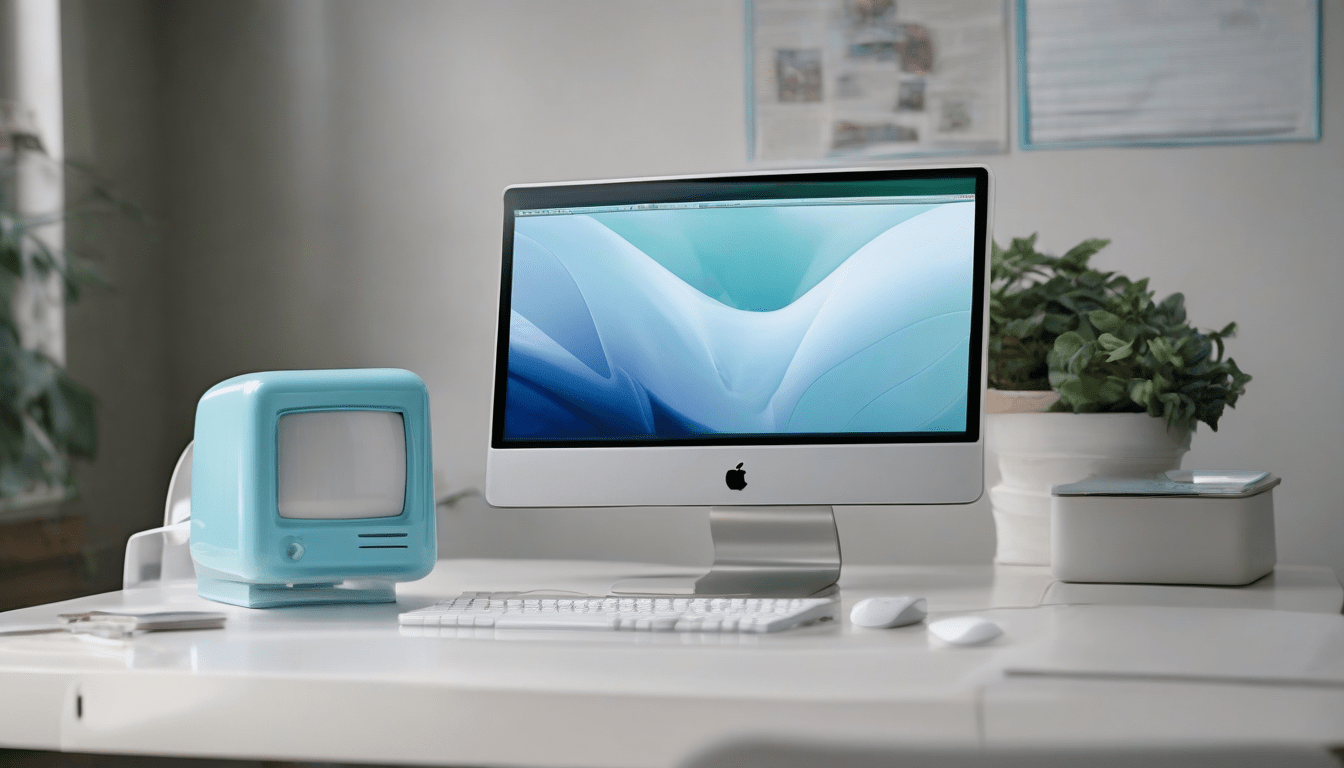
This software gave the iMac and the iPhone a strong place to stand on. I am sure that Apple would have failed without this big jump in tech. You can see the DNA of Cheetah in every device you hold today.
Looking Ahead to macOS Tahoe
We are now waiting for the 2025 release called Tahoe. This new update brings AI tools and faster speeds to your daily workflow. The old spirit of 2001 still lives inside the code of your modern machine.